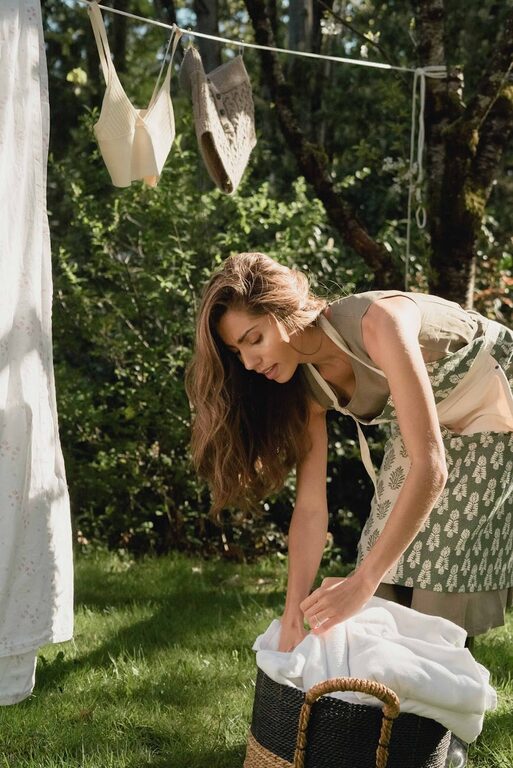
Caring for your clothes properly can make a big difference in how long they last and how good they look over time. Whether you have a favorite sweater, a work shirt, or a pair of jeans you rely on, following the right care routines helps keep your wardrobe fresh and in great condition. In this post, we’ll explore practical tips and habits to help you care for your clothes longer, saving you money and contributing to a more sustainable lifestyle.
Understanding Fabric Types
Before diving into specific tips, it’s important to understand that different fabrics require different care. Natural fibers like cotton, wool, and silk have unique needs compared to synthetic ones like polyester or nylon.
– Cotton: Durable but can shrink or fade if treated harshly.
– Wool: Delicate and prone to felting or shrinking.
– Silk: Requires gentle handling to avoid damage.
– Synthetic fabrics: Often more resilient but can be affected by heat or rough washing.
Always check the care label on your clothing for manufacturer recommendations. This small step ensures you avoid unintended damage.
Washing Tips to Preserve Clothes
Wash Less, Wear More
One of the simplest ways to extend clothing life is to avoid washing items more than necessary. Over-washing leads to fading, fabric breakdown, and wear.
– Spot clean minor stains instead of washing the whole garment.
– Air out clothes after wearing to remove odors.
– Use freshening sprays or hang clothes outside to refresh them.
Use Cold Water
Cold water is gentler on fabrics and helps prevent colors from fading or bleeding. It also reduces energy consumption.
– Set your washing machine to cold water settings.
– Avoid hot water unless the care label specifically recommends it.
Choose Gentle Detergents
Harsh detergents can strip fabric fibers and dull colors.
– Use mild or specialized detergents designed for delicate fabrics.
– Avoid bleach and fabric softeners unless necessary.
Turn Clothes Inside Out
Before washing, turning clothes inside out protects the outer surface from friction during the wash cycle.
– This helps preserve prints, colors, and fabric texture.
Use a Gentle Cycle
Select the gentle or delicate cycle on your washing machine to minimize agitation.
– This setting reduces wear on clothes, especially for delicate or knit fabrics.
Drying Techniques That Extend Garment Life
Avoid the Dryer When Possible
Heat from dryers can weaken fabric fibers, cause shrinkage, and fade colors.
– Air drying is the best option to preserve clothing.
– Lay sweaters flat to dry to maintain shape.
– Hang shirts and pants on hangers or drying racks.
Use Low Heat Settings
If you must use a dryer, choose the lowest heat or “air dry” option.
– Remove clothes promptly to minimize wrinkles.
– Avoid over-drying, which can damage fibers.
Avoid Direct Sunlight
While sunlight can help kill bacteria and lighten odors, direct and prolonged exposure can fade colors.
– Dry colored garments in shade or indoors near a window.
Proper Storage Tips
Keep Clothes Clean Before Storing
Dirt, oils, and sweat can attract pests or cause fabric damage.
– Wash or spot clean clothes before storing long term.
Use Appropriate Hangers
Using the right hangers helps maintain garment shape.
– Use padded or wide hangers for delicate tops and coats.
– Use clips for skirts and pants by their waistband or hem.
Fold Heavy Knitwear
Heavy sweaters and knitwear can stretch out when hung.
– Fold these items neatly and store on shelves or in drawers.
Store in Breathable Containers
Plastic bags can trap moisture, leading to mildew.
– Use cotton storage bags or breathable boxes for out-of-season clothes.
Repair and Maintain Your Clothes
Address Small Repairs Quickly
Fixing small tears, missing buttons, or loose seams promptly prevents further damage.
– Learn basic sewing skills or use fabric glue for quick fixes.
– Keep a sewing kit handy for emergency repairs.
Rotate Your Wardrobe
Regularly rotating the clothes you wear helps distribute wear evenly.
– Avoid wearing the same items every day to reduce stress on those fabrics.
Use Fabric Shavers and De-Pillers
Fabric pills (those tiny fuzz balls) can make clothes look worn.
– Use a fabric shaver or de-pilling comb to restore smooth appearance.
Additional Tips for Specific Garments
Jeans
– Wash inside out and infrequently to maintain color.
– Avoid hot water and dryers.
– Spot clean and air dry.
Wool and Cashmere
– Hand wash or use delicate cycles with cold water.
– Lay flat to dry.
– Store with cedar blocks or lavender sachets to deter moths.
White Clothes
– Avoid bleach when possible; it can weaken fabrics.
– Use oxygen-based whitening agents.
– Wash whites separately to prevent color transfer.
Conclusion
Taking care of your clothes doesn’t have to be complicated or time-consuming. By adopting simple habits like washing less, using cold water, air drying, and promptly repairing damage, you’ll extend the life of your garments and keep them looking good longer. These small steps contribute to a healthier wardrobe, save money, and reduce textile waste – a win for you and the planet!
Remember, good clothing care is a combination of understanding your fabrics, following care instructions, and adopting mindful habits. Start with a few tips today and enjoy the benefits of a long-lasting wardrobe.