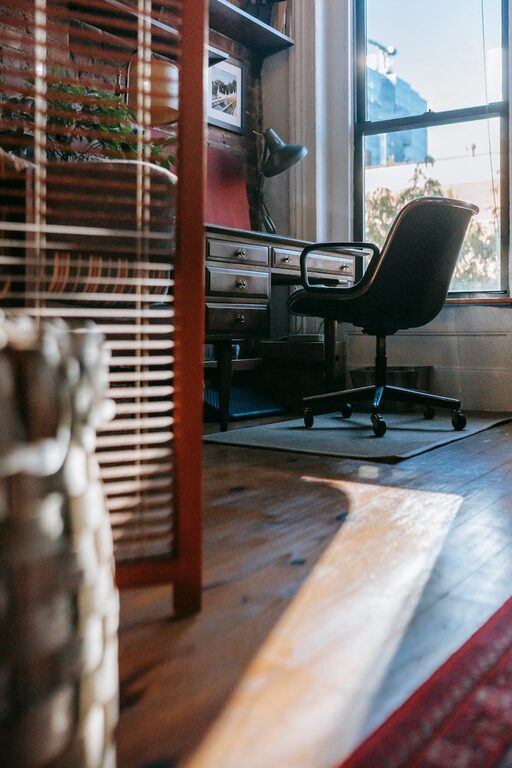
Creating a relaxing home workspace is essential for maintaining focus and reducing stress while working remotely. With many people spending more time working from home, it’s important to design an area that feels both productive and soothing. This blog post will guide you through practical steps to set up a home workspace that promotes calm and concentration.
Why a Relaxing Workspace Matters
A well-designed workspace influences your mood, energy levels, and productivity. When your work area feels stressful or cluttered, it’s easy to become distracted or overwhelmed. On the other hand, a calming environment can help you stay focused, improve creativity, and even enhance your overall well-being.
Choose the Right Location
Find a Quiet Spot
Select a space in your home with minimal background noise and traffic. If possible, choose a room or corner away from household distractions like the TV or kitchen.
Consider Natural Light
Natural light can boost your mood and reduce eye strain. Position your desk near a window, but avoid direct glare on your screen. If natural light is limited, invest in soft, warm artificial lighting to keep the atmosphere cozy.
Invest in Comfortable Furniture
Ergonomic Chair
A supportive chair is crucial for comfort during long work sessions. Look for adjustable features that support your lower back, encourage good posture, and allow your feet to rest flat on the floor.
Functional Desk
Choose a desk that fits your space and accommodates your work tools. Whether it’s a compact writing table or a larger desk with storage, ensure it keeps your essentials within easy reach.
Declutter and Organize
Keep Surfaces Clear
A cluttered desk can increase stress and reduce productivity. Use organizers, trays, or drawer dividers to store stationery, paperwork, and gadgets neatly out of sight.
Digital Declutter
Keep your computer desktop and files organized to reduce digital chaos. Create folders for different projects and regularly delete unnecessary files.
Use Calming Colors and Decor
Choose Soothing Colors
Colors can affect your mood. Soft shades like blues, greens, or pastels tend to create a relaxing atmosphere. Consider repainting a wall or adding colorful accents like cushions or artwork.
Add Personal Touches
Incorporate items that inspire tranquility, such as plants, photos, or artwork. Plants not only beautify your space but also improve air quality.
Manage Noise and Distractions
Use Noise-Canceling Headphones
If your environment tends to be noisy, noise-canceling headphones can help you block distractions and focus on work.
Play Soft Background Music
Instrumental or nature sounds can create a calm background ambiance that aids concentration and reduces stress.
Incorporate Break Spaces
Set Up a Relaxation Corner
If space allows, create a small area with a comfortable chair or cushion nearby. Use this for short breaks to stretch, meditate, or just relax.
Practice Regular Breaks
Remember to step away from your desk every hour. Stretching, walking, or deep breathing helps refresh your mind and prevent burnout.
Optimize Lighting and Screen Settings
Adjustable Lighting
Add a desk lamp with adjustable brightness and color temperature. This feature helps reduce eye strain and creates a pleasant working environment as daylight changes.
Screen Position and Settings
Place your screen at eye level and about 20-30 inches from your face to reduce neck strain. Adjust screen brightness and enable blue light filters, especially if you work into the evening.
Keep Essentials Nearby
Stay Hydrated and Nourished
Keep a water bottle and light snacks close by to stay energized without interrupting your workflow frequently.
Use Cable Management
Organize charging cables and wires using clips or sleeves to avoid tangles and keep your workspace tidy.
Final Thoughts
Creating a relaxing home workspace takes a bit of planning and personalization but pays off with better focus, comfort, and productivity. By selecting the right location, investing in comfortable furniture, organizing effectively, and adding calming elements, you can transform your work area into a peaceful retreat that inspires your best work.
Try implementing some of these tips gradually and notice how a calming workspace can positively impact your workday. Remember, your environment should support you—both professionally and personally. Happy designing!