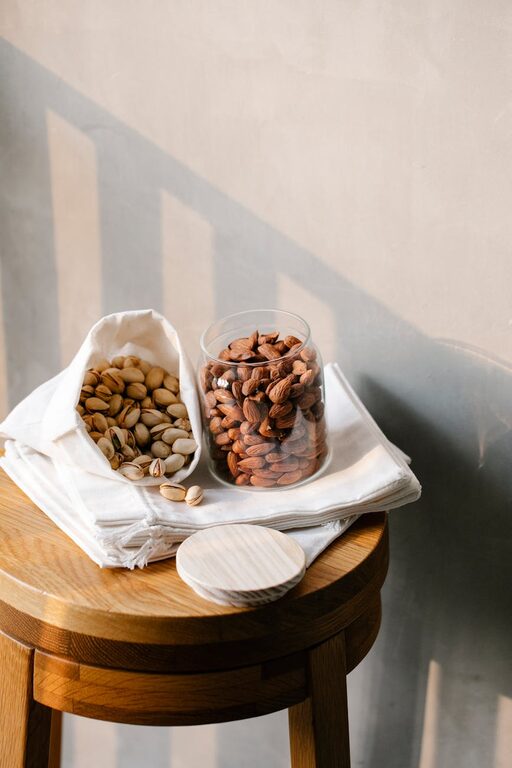
Reducing food waste at home is a simple yet impactful way to save money, minimize environmental impact, and improve your kitchen efficiency. Across many households, a significant portion of food ends up in the trash due to overbuying, improper storage, or lack of planning. Fortunately, small changes in habits and routines can make a big difference. In this post, we’ll explore practical strategies that anyone can implement to reduce food waste and enjoy fresher meals.
Why Reducing Food Waste Matters
Food waste isn’t just a waste of money; it also has environmental consequences. When food is thrown away, all the resources used to produce it—water, energy, labor—are lost. Additionally, decomposing food in landfills produces methane, a potent greenhouse gas. By cutting down on food waste, you play a part in conserving resources and reducing pollution.
1. Plan Your Meals Ahead
One of the most effective ways to reduce food waste is to plan your meals before shopping or cooking. Here’s how you can get started:
– Make a shopping list based on your weekly meal plan.
– Check your pantry and fridge first to avoid buying duplicates.
– Buy only what you need in terms of quantity and variety.
Meal planning ensures you use ingredients efficiently without overstocking. It also encourages healthier eating habits since you can design balanced meals ahead of time.
2. Store Food Properly
Proper storage plays a vital role in keeping food fresh longer. Here are tips for common food groups:
– Vegetables: Store leafy greens in perforated bags with a paper towel to absorb excess moisture. Keep root vegetables in a cool, dark place.
– Fruits: Some fruits like apples and bananas produce ethylene gas, which speeds ripening. Store ethylene producers separately from others.
– Bread: Freeze bread you won’t use immediately to avoid mold.
– Dairy and meats: Keep these in the coldest part of the fridge and use airtight containers.
Using airtight containers, resealable bags, or cling wrap can help prevent spoilage and maintain freshness.
3. Understand Expiration Dates
Labels like “best before,” “use by,” and “sell by” can be confusing and lead to unnecessary discarding. Here’s a quick guide:
– Best before: Indicates quality rather than safety. Food is usually safe to eat after this date.
– Use by: This is about safety. Avoid using food past this date.
– When in doubt, use your senses to check for spoilage, such as smell, texture, and appearance.
By better understanding expiration labels, you can reduce throwing away perfectly good food.
4. Practice Portion Control
Cooking or serving more food than needed often results in leftovers that go uneaten. To minimize this:
– Use measuring cups or a kitchen scale to control portions.
– Serve smaller amounts and allow family members to take seconds if still hungry.
– Be mindful when cooking for one or two people; scale recipes down accordingly.
Portion control helps limit leftover waste and maintains a balanced diet.
5. Get Creative With Leftovers
Rather than tossing leftovers in the trash, find ways to repurpose them:
– Use vegetables in soups, stir-fries, or omelets.
– Turn stale bread into croutons or breadcrumbs.
– Combine leftover meats and veggies into wraps or sandwiches.
– Freeze leftovers for later meals.
Keeping a rotation system in the fridge—placing the oldest meals at the front—encourages eating leftovers before new food.
6. Compost Food Scraps
Even with the best efforts, some scraps like peels, cores, and coffee grounds are unavoidable. Composting is a great way to reduce landfill waste and create nutrient-rich soil for gardening.
Starting a compost bin is easier than you might think:
– Choose a bin suitable for your space, indoors or outdoors.
– Collect fruit and vegetable scraps, eggshells, coffee grounds, and yard waste.
– Avoid meat, dairy, or oily foods in the compost to prevent pests.
– Turn the compost regularly to speed decomposition.
By composting, you close the loop on food use and support sustainable gardening.
7. Shop Smart and Mindfully
Shopping habits have a big impact on waste. Instead of impulse buys or bulk purchases without a plan:
– Shop more frequently for fresh produce.
– Choose loose produce over pre-packaged to buy only what you need.
– Support local farmers’ markets where possible for seasonal items.
Shopping smart helps avoid spoilage from buying too much or the wrong items.
8. Educate Household Members
Reducing food waste is easier when everyone in the household is on board. Share these tips and encourage:
– Clear labeling of leftovers with dates.
– Washing and storing food properly after meals.
– Mindful eating to take only what they can finish.
Teamwork multiplies the impact of these strategies.
Final Thoughts
Reducing food waste at home requires a little planning and mindful habits but offers big benefits to your wallet, the environment, and your family’s health. By planning meals, storing food correctly, managing portions, and getting creative with leftovers, anyone can build a more sustainable kitchen. Start implementing some of these tips today and enjoy fresher food with less waste.
Remember, the key is making gradual changes that fit your lifestyle. Every small effort counts toward a healthier planet and a happier home.